What the SWA–MCAI MoU Really Means for Copyright, Credit, and Creative Control in India
An IP professional’s reading of authorship, contracts, and bargaining power
Introduction: Credit Was Never the Core Problem—Power Was
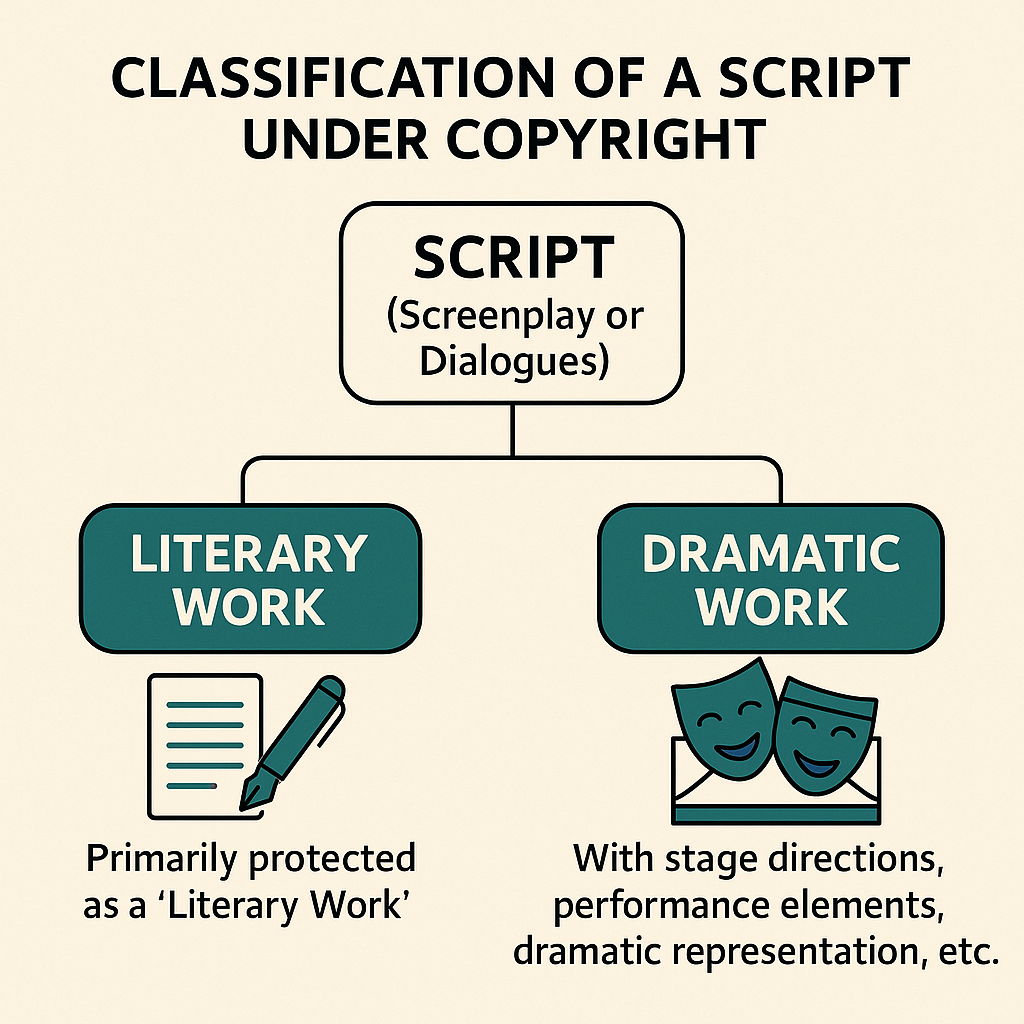
India’s copyright statute has never denied authorship to screenwriters, lyricists, or composers. On paper, the law has long recognised their creative contribution.
And yet, for decades, these very creators have struggled for:
- Proper credit
- Fair remuneration
- Contractual clarity
The disconnect lies not in the Copyright Act, but in how power operates within the creative industry.
The recent MoU between the Screenwriters Association (SWA) and the Music Composers Association of India (MCAI) must be read through this lens—not as a legal revolution, but as a recalibration of negotiating strength.
The Real Industry Problem the MoU Responds To
Historically, film and music contracts in India have followed a predictable pattern:
- Producers control financing and distribution
- Creators negotiate individually
- Assignments under Section 18 become routine
The result?
Statutory authorship exists, but economic ownership migrates upward.
The MoU is an attempt to disrupt this pattern—not by changing the law, but by changing how creators approach contracts.
What the SWA–MCAI MoU Actually Changes
The MoU does three important things:
1. Reasserts Co-Authorship as a Negotiating Baseline
By recognising lyricists and composers as co-authors and primary artists, the MoU pushes back against long-standing credit hierarchies where visibility was reserved for performers.
2. Encourages Contractual Separation
Requiring separate contracts for lyricists and composers prevents bundled negotiations where one creator’s leverage is diluted by another’s urgency.
3. Creates Collective Bargaining Pressure
Unity matters because copyright contracts are rarely about law they are about leverage.

Copyright Law Already Allowed This—So Why Didn’t It Happen Earlier?
This is where legal realism matters.
Under the Copyright Act:
- Section 2(d) recognises authorship
- Section 17 vests first ownership in authors
- Section 57 protects moral rights
So why were creators still sidelined?
Because copyright law does not police bargaining power.
Contracts do.
The MoU does not create new rights.
It reduces the cost of asserting existing ones.
Moral Rights: Credit Is Not Decorative
The emphasis on consistent credit across promotional material is not symbolic—it is strategic.
Moral rights under Section 57:
- Survive assignment
- Protect attribution
- Preserve creative identity
By insisting on visible credit, creators are reclaiming reputational capital, which directly influences future bargaining strength.
The Proposed Standard Agreement for Screenwriters: Why It Matters More Than the MoU
The proposed standardised agreement addresses issues creators face daily:
- Vague credit clauses
- Open-ended indemnities
- Payment uncertainty
By formalising:
- Proportional credit
- Prominent placement
- Clear remuneration terms
the agreement shifts negotiations from individual desperation to collective norms.
What This MoU Cannot Do (And Why You Should Care)
A serious IP analysis must acknowledge limits.
- An MoU is not enforceable law
- Producers can still refuse terms
- Platforms remain outside its reach
Its strength lies not in compulsion, but in collective refusal to undercut one another.
Key Learnings for IP Professionals
- Copyright law enables rights; contracts decide outcomes
- Collective bargaining reshapes negotiations
- Moral rights are strategic tools, not afterthoughts
- Industry reform happens incrementally, not instantly
Why This Matters for IP Education
At the Indian Institute of Patent and Trademark (IIPTA), we teach intellectual property as it actually operates—at the intersection of:
- Statutes
- Contracts
- Industry practice
Understanding developments like the SWA–MCAI MoU requires more than legal literacy.
It requires commercial and institutional awareness.
Want to understand copyright the way creators and producers negotiate it?
Learn how authorship, assignment, moral rights, and contracts function in the real creative economy.
Explore IIPTA’s Copyright & Media IP programs.